
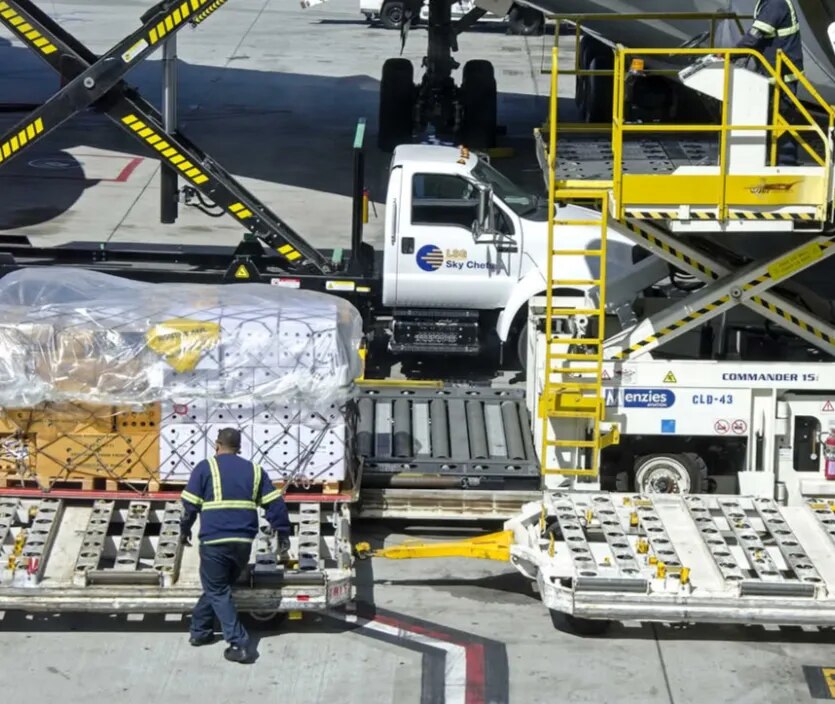
PERISHABLE CARGO
Description
*Perishable cargo* = Goods that can spoil, decay, or lose quality if not handled right during transit. Time, temperature, and humidity are everything.
*Common examples*
- *Food*: Fruits, vegetables, meat, seafood, dairy, bakery
- *Flowers & plants*: Roses, orchids, saplings
- *Pharma*: Vaccines, insulin, some biologics
- *Other*: Chocolate, wine, certain chemicals
*How sea freight forwarders handle perishables*
*1. Reefer Containers - "Refers"*
Temperature-controlled containers. Most common for sea.
- *Temp range*: -30°C to +30°C
- *Types*: Chilled for fruits/veg 0°C to 5°C, Frozen for meat/seafood -18°C to -25°C
- *Humidity control*: Many reefers control 60%-95% RH for produce/flowers
- *Air circulation + ventilation*: To remove ethylene gas from fruits
*2. Special services*
- *Pre-cooling*: Cargo must be pre-cooled before stuffing. Don’t use reefer to "freeze" warm cargo
- *Cold chain tracking*: Real-time temp/humidity data loggers, GPS
- *Priority handling*: Fast customs clearance, priority loading/unloading to reduce dwell time
- *Genset*: Generator set for trucking so temp is maintained door-to-port
*3. Documentation & compliance*
- *Phytosanitary Certificate* for plants/fruits
- *Health Certificate* for meat/seafood/dairy
- *Import permits* - US FDA, EU, etc are strict
- *COO* - Certificate of Origin for duty benefit.